
Adaptable Solutions for Modern Businesses
Discover versatile spaces designed to evolve with your business needs
Why flex space?
Flexible Spaces for Growing Businesses
Start-ups and newer companies are looking for flexible office solutions that can grow along with their business. Because of this, flex spaces are increasingly in demand, making them excellent choices for businesses looking to grow.
However, as a newer form of real estate, there are still many potential tenants who have questions about these kinds of spaces.
- 1What is flex space?
- 2What can it be used for?
- 3What are the advantages compared to traditional office spaces?
1
What is Flex Space?
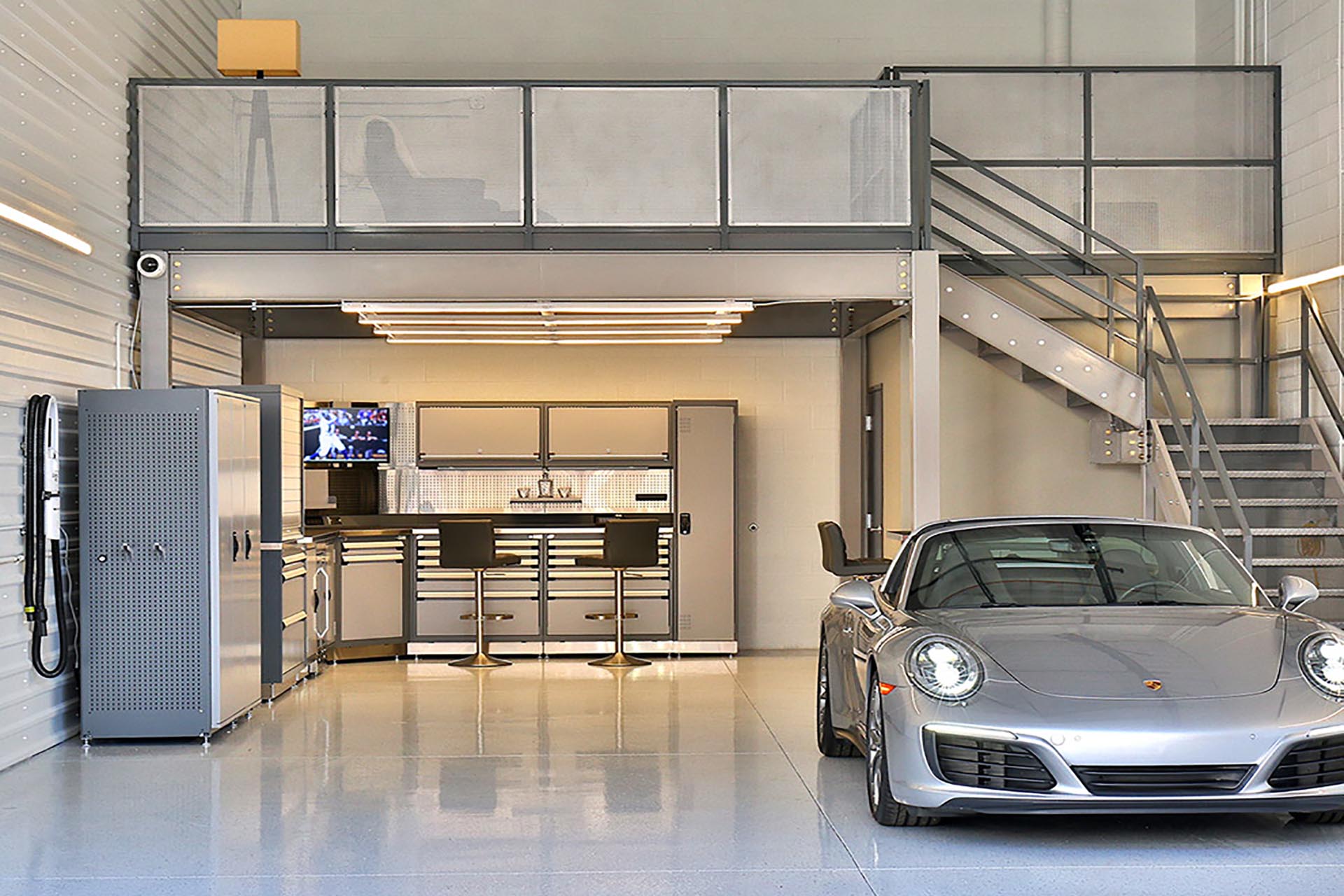
Flex spaces are generally light industrial spaces that have been converted into office spaces. But, due to the rising popularity of flex spaces, there are an increasing number of newly built flex space developments. They often have warehouses, large roll up doors, loading docks, and other industrial spaces attached, making them ideal for businesses that have multiple facets to their operation.
These spaces became known as flex spaces because of how adaptable they are. They are generally a blank slate and can be customized however a business sees fit. Features can be added or removed as a company grows and their needs change.
2
What Can Flex Spaces Be Used For?
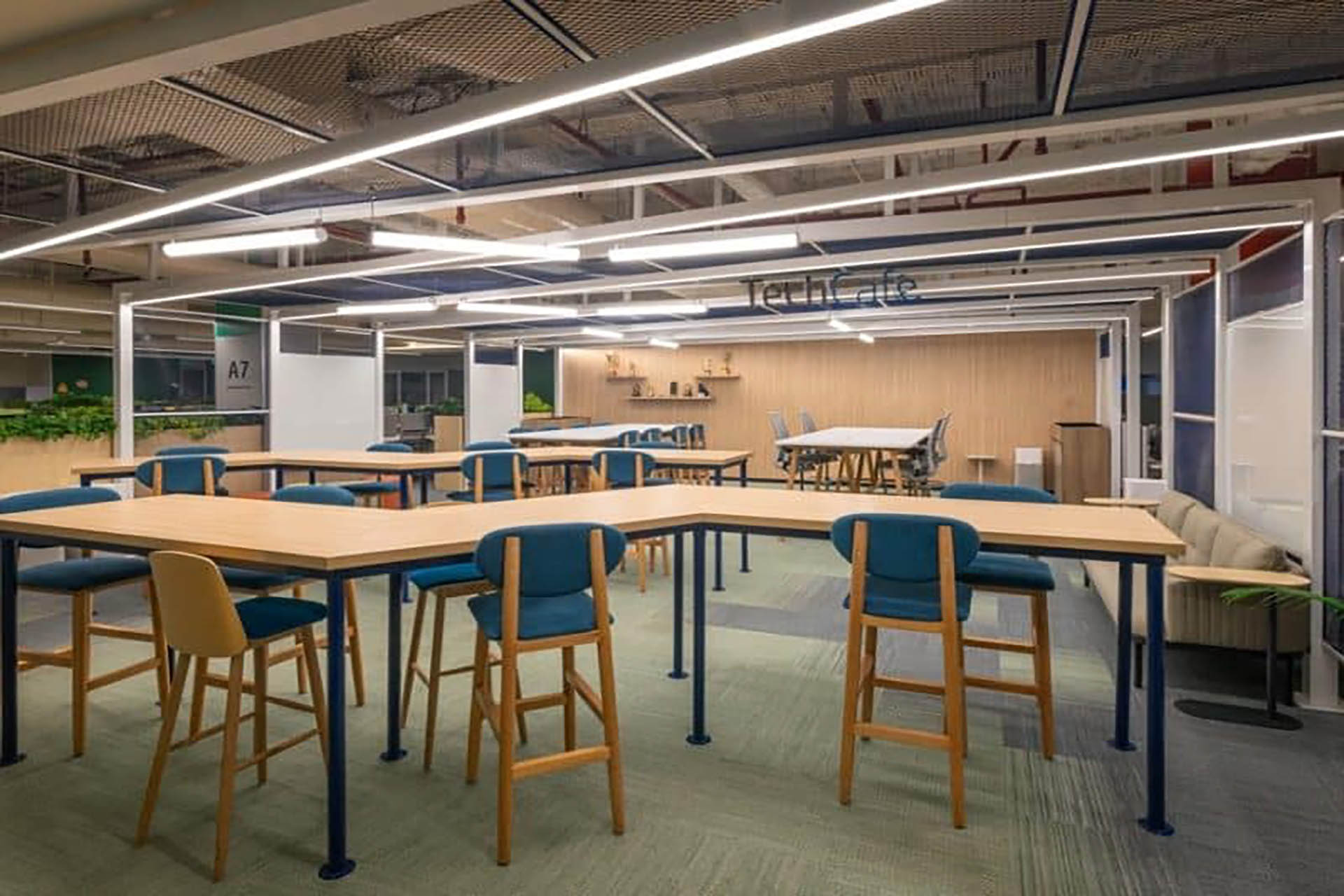
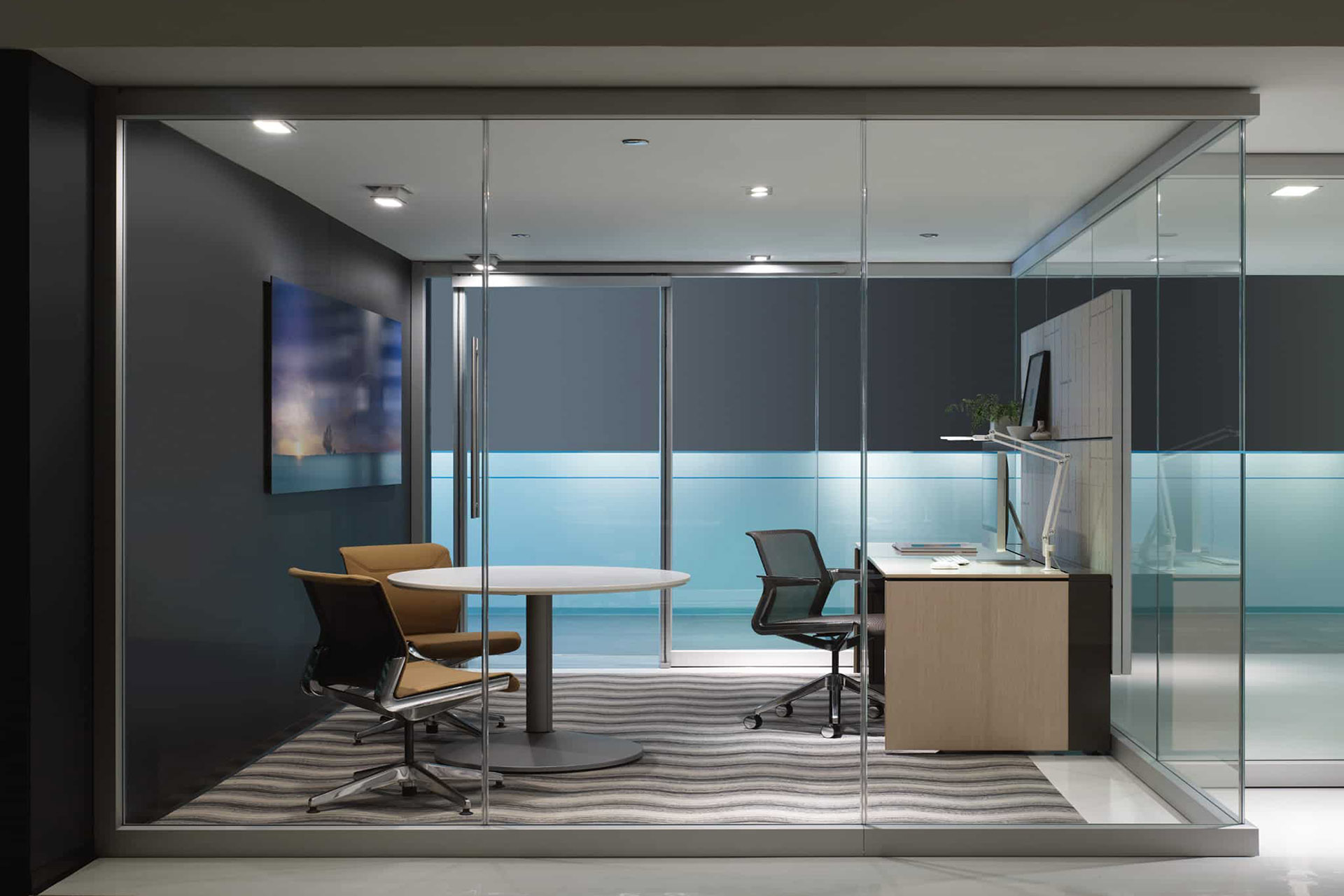
Flex spaces have become popular choices for small businesses and startups since they’re generally cheaper than traditional office space and can be more easily adapted to fit a company’s requirements.
The access to warehouse space means they’re frequently used by mechanics, plumbers, electricians, and other trades. R&D companies involved in engineering, medical devices, and biopharmaceuticals have also been known to use these spaces.
Potential uses of flex spaces are:
Flex spaces can be used for retail as well, with a showroom in the front and a warehouse in the back to store inventory. The combination of office space, storage space, and loading docks also makes them a perfect option for wholesalers.
3
Types of Flex Spaces
Flex spaces come in a number of shapes, sizes, and variations. Here are a few different types of flex spaces you’ll encounter:
Whatever type of flex space you’re dealing with, they can usually be altered to suit a number of different types of businesses. Tenants can easily adapt the space for their needs and to make them more suitable to their growing business needs.
Advantages of Flex Spaces
Spaces Designed for Efficiency, Growth, and Convenience
While more established businesses may still prefer a traditional office space, flex spaces do provide a number of advantages:

Warehouse Space
Many flex spaces include warehouses and office space. For companies that have both office staff and industrial portions of their business, these spaces let them combine the two areas of their business under one roof.

Expandable
Flex space developments often allow for a business to expand into another unit saving the necessity for the business to incur an expensive relocation to gain needed square footage.

Customizable
As we’ve discussed, you can do almost anything with a flex space. While traditional office spaces are often difficult and expensive to modify, flex spaces can be easily customized depending on the type of client that’s using them.

Parking
Flex spaces are usually located outside of cities, meaning they usually include large parking lots. This provides plenty of parking for both staff & customers. Parking spaces are usually located close to the units for convenient access for deliveries & customers.

Higher Ceilings
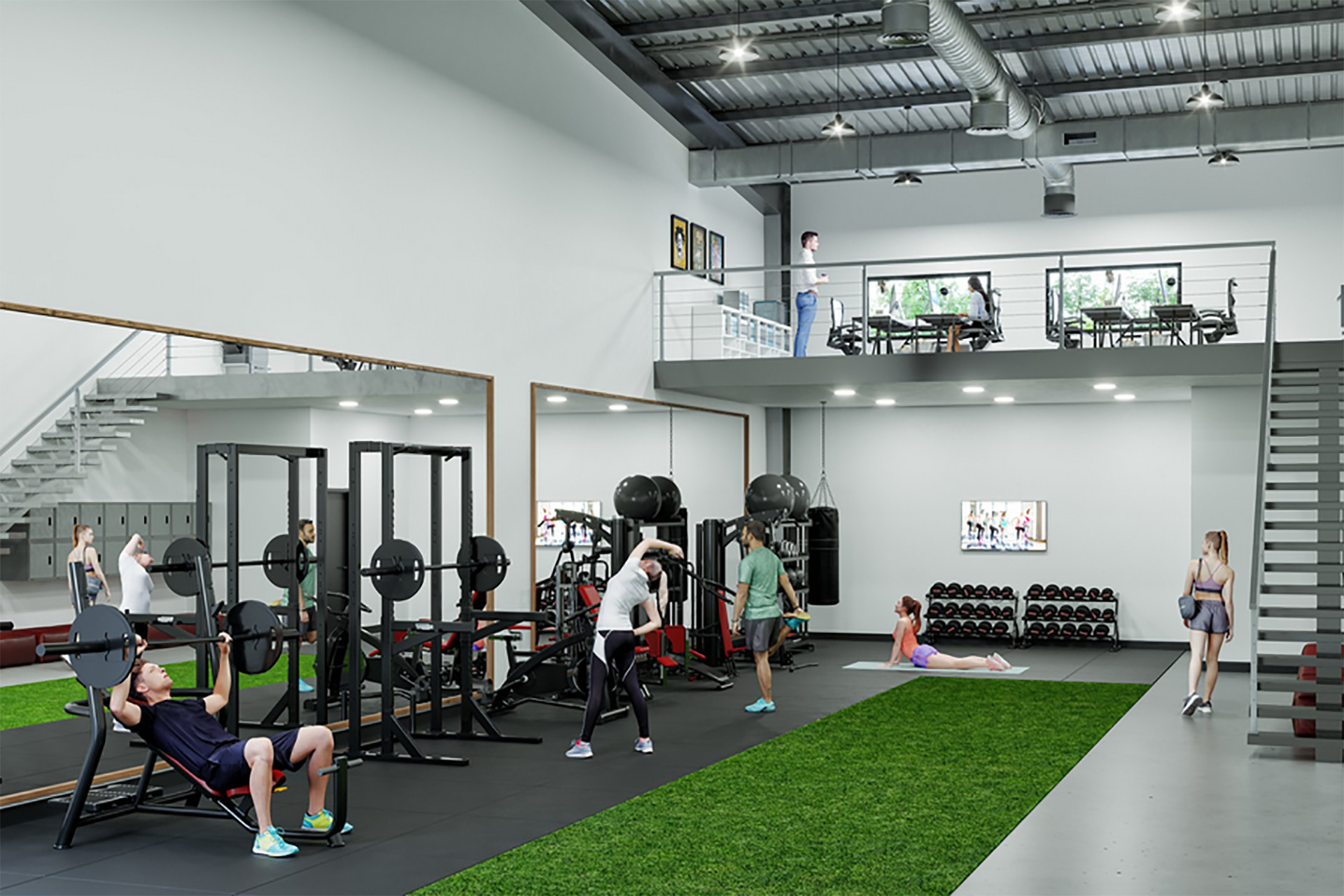
Because flex spaces are adapted from industrial spaces they often have higher ceilings, giving offices a more open feel. It also provides more room for storage.

Convenient Locations
Flex spaces are usually found in office parks that are conveniently located to highways and arterial roadways for both employees and customers.

Ground Floor Location
Flex spaces are typically one level developments, so staff, customers and deliveries have easy, convenient access to the business.

Improved Communication
Having office and warehouse staff together leads to improved communication between different areas of a business. It also results in a more efficient workflow.
For Businesses
If you have a small growing business with a number of different needs a flex space could be just what you’re looking for. Flex spaces are generally cheaper than strip malls/office buildings and you’ll be able to create your ideal space that can grow along with your business.
You should consider a flex space as well if you have a need for both office space and warehouse areas, since traditional office buildings won’t be able to offer this.
Any business that’s more concerned about having functional and affordable space, rather than a fancy office with a city view, should definitely look at a flex space.